Learn More About Wisdom Teeth Removal
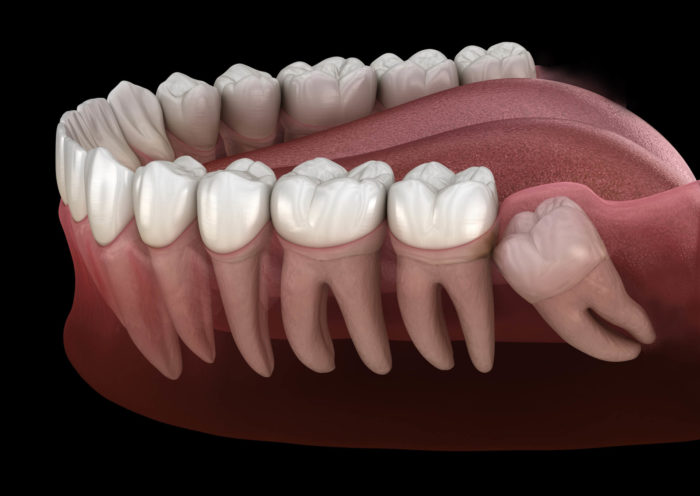
Why Remove Wisdom Teeth? Wisdom teeth, also known as third molars, are the last set of teeth to develop, typically emerging in late teens or early adulthood. Often, there isn’t enough space in the mouth to accommodate them, leading to potential issues such as:
- Impaction: Wisdom teeth can get stuck in the jaw or grow in at an angle, leading to pain and discomfort.
- Crowding: Erupting wisdom teeth can push other teeth out of alignment.
- Infection: Partially erupted wisdom teeth can trap food and bacteria, leading to gum infections or tooth decay.
- Damage to Neighboring Teeth: Impacted wisdom teeth can press on nearby molars, potentially causing damage.
When is Removal Recommended? Your dentist or oral surgeon will assess your wisdom teeth using X-rays. If any of the above complications are present or likely to occur, they may recommend removal to prevent further problems. Not everyone needs their wisdom teeth removed; in some cases, they grow in properly without causing issues.
Post-Operative Care Instructions: Recovery is a key part of your treatment, and proper aftercare can prevent complications:
- Bleeding: Expect light bleeding for the first 24 hours. Bite down gently on gauze to help control it.
- Pain & Swelling: Take prescribed pain medication as directed, and apply ice packs to reduce swelling.
- Eating & Drinking: Stick to soft foods like soup, mashed potatoes, or yogurt. Avoid hot, spicy, or crunchy foods.
- Oral Hygiene: Avoid brushing directly near the extraction site for the first 24 hours. After that, rinse gently with a saltwater solution to keep the area clean.
- Avoid Certain Activities: Don’t smoke, drink through a straw, or perform vigorous rinsing or spitting, as this can dislodge the blood clot and cause dry socket, a painful condition.
Recovery Timeline:
- Day 1-3: Swelling and discomfort are most noticeable. Follow care instructions closely.
- Week 1: Stitches may dissolve, and swelling should reduce. Pain will gradually decrease.
- Week 2: Most patients feel fully recovered, although healing continues internally for several months.