Learn More About Dental Implants
What is a Dental Implant?
A dental implant is a titanium post that is surgically inserted into your jawbone to replace the root of a missing tooth. Over time, the implant fuses with the bone (a process called osseointegration), and a crown is attached to restore the appearance and function of a natural tooth.
Benefits of Dental Implants
- Natural Look and Function: Implants mimic the appearance and functionality of real teeth.
- Durability: With proper care, dental implants can last a lifetime.
- Prevents Bone Loss: Implants help preserve the jawbone by stimulating bone growth and preventing bone resorption (shrinkage).
- Improved Chewing and Speech: Unlike dentures, implants remain stable and allow for better chewing and speech.
- Comfort: Implants are secure and do not move like dentures, providing greater comfort.
Procedure Overview
- Consultation and Planning: Your dentist will evaluate your oral health, take X-rays or a CT scan, and discuss treatment options.
- Implant Placement Surgery: The implant is surgically inserted into your jawbone. Healing time can vary from 3-6 months to allow the implant to fuse with the bone.
- Abutment Placement: Once healed, an abutment (connector) is placed on top of the implant.
- Crown Placement: A custom-made crown is attached to the abutment, completing the restoration.



Dental Implants
A dental implant is used to replace missing teeth. Your natural tooth is made up of two parts, the root and the crown. The implant represents the root of the tooth and will be placed at the same time as the extraction or at a later date. Once the implant has had time too integrated with the bone, a crown, bridge or denture can be attached to the implant to replace missing teeth by your general dentist.

Full Arch Restoration
Full arch reconstruction involves placing several dental implants in the jawbone to support a full set of prosthetic teeth, either on the upper or lower arch (or both). This method offers a more permanent and stable solution compared to traditional dentures.

Pre Prosthetic Surgery
Pre-prosthetic surgery involves procedures designed to prepare the mouth for the successful placement of dental prosthetics, such as dentures, bridges, or implants. These surgeries are essential for ensuring that the prosthetics fit properly, function well, and provide comfort to the patient. An oral surgeon is often needed for these procedures to address complex issues and ensure the best outcome.
- Extraction of Remaining Teeth
- Purpose: Before fitting dentures or other prosthetics, any remaining damaged or non-functional teeth may need to be extracted. This is crucial to prevent future complications and ensure that the prosthetic devices fit properly.
- Procedure: The oral surgeon will perform tooth extractions, which may involve surgical removal of teeth that are deeply rooted or have complicated roots.
- Jawbone Reshaping
- Purpose: In some cases, the shape of the jawbone may need to be altered to ensure that dentures or implants fit properly and function effectively. This might involve reshaping or contouring the jawbone.
- Procedure: The oral surgeon will perform surgical procedures to modify the bone structure, creating a more favorable environment for prosthetics.
Bone Grafting
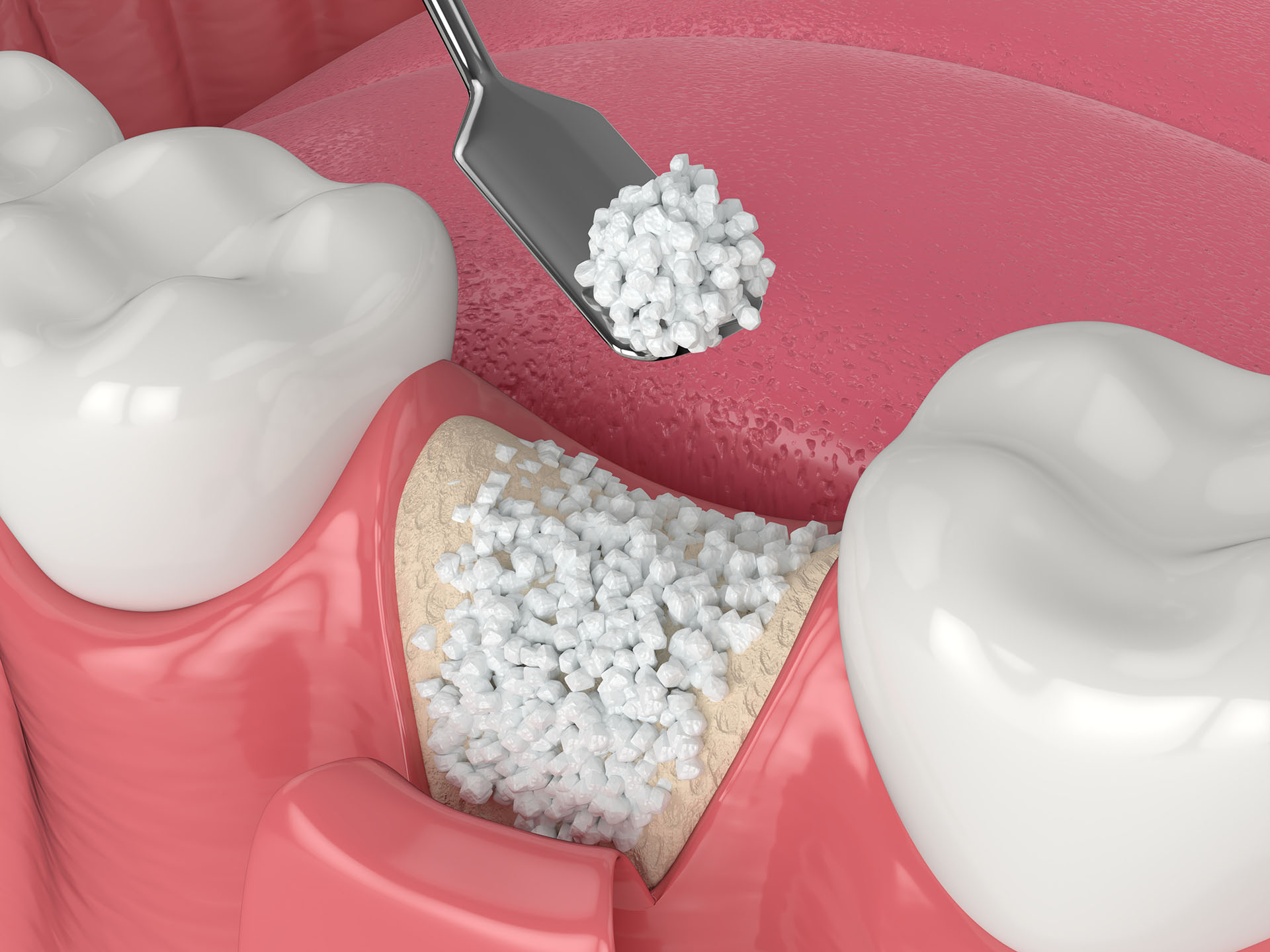
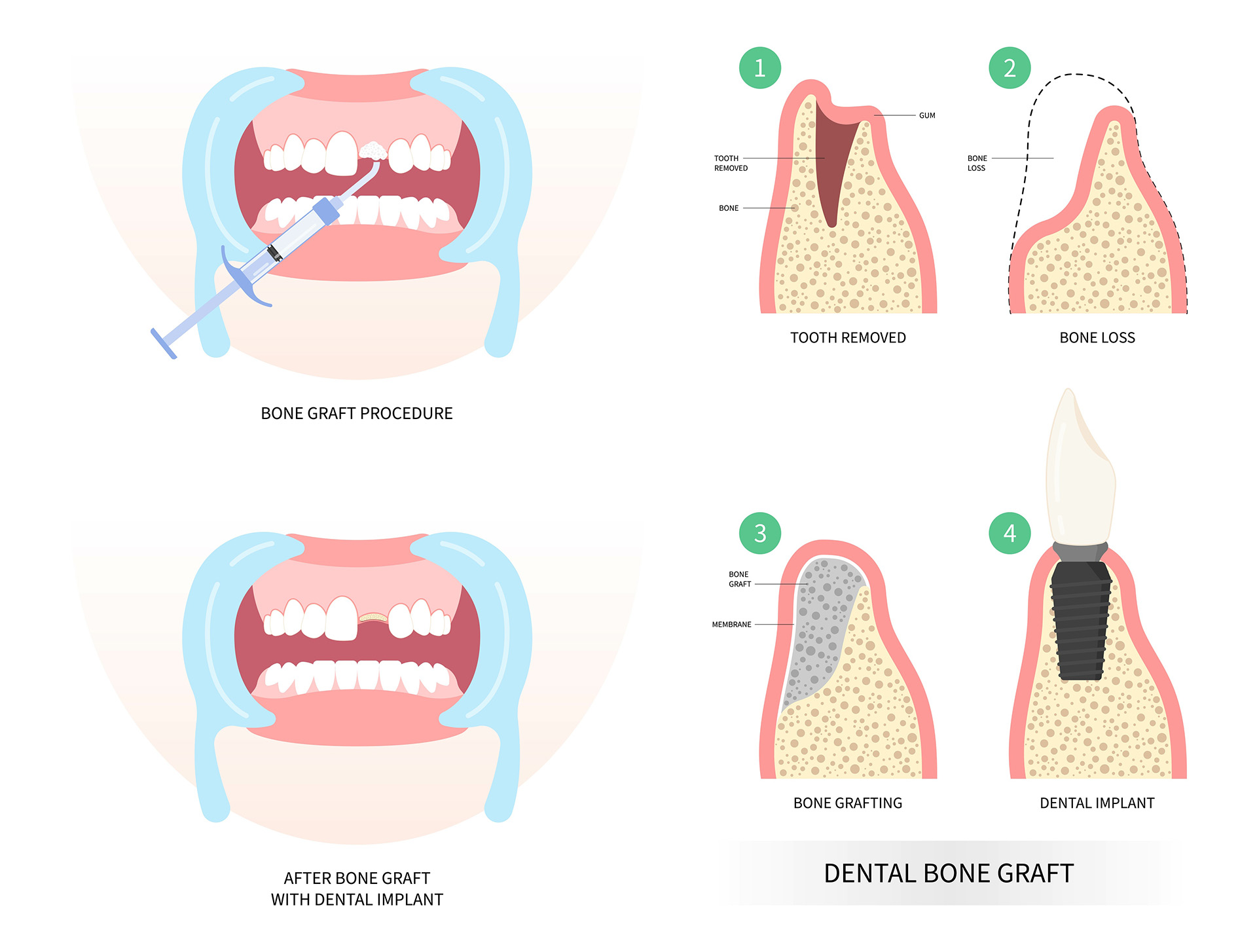
For a dental implant to be successful, it must have bone around it to fuse too. The bone in your top and bottom jaw help hold onto your natural teeth. When you lose a tooth or multiple teeth, that bone begins to resorb. Bone grafting procedures help prevent or build bone to maximize long term success of the implant.
Types of bone graft:
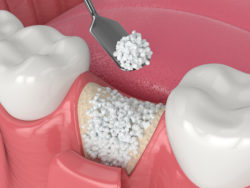
- Socket Preservation: When a tooth is non restorable, your dentist will recommend for that tooth to be extracted. You should always have a plan to restore the missing tooth once extracted. This could be with a partial, bridge, or a dental implant. If you are planning on restoring a tooth that is going to be extracted with a dental implant, you want to try and preserve the bone that is surrounding that tooth. Bone graft can be added to the extraction site to help preserve the bone for a future implant. This is called socket preservation
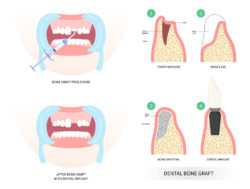
- Ridge Augmentation: If a tooth or multiple teeth have been missing for a longer period of time, the bone that was surrounding those teeth may have resorbed to a point that is not ideal for a dental implant. Bone graft material can be added to that area to help facilitate successful implant placement. This is called ridge augmentation
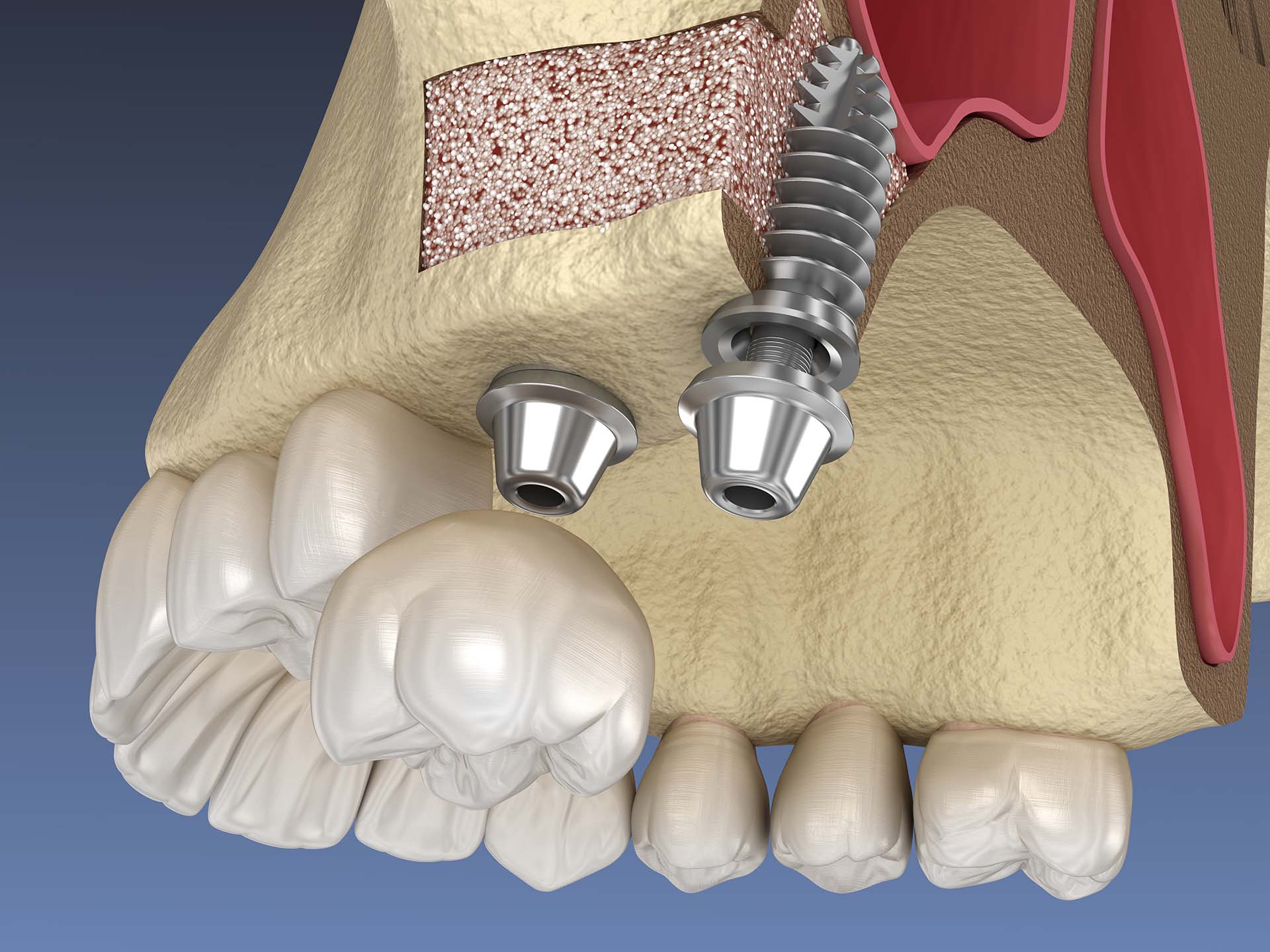
- Sinus Lift: Your top jaw has a sinus on both sides above your molar and premolar teeth called your maxillary sinus. When a upper molar or premolar is extracted there are two things that can happen. The bone will resorb and the maxillary sinus will expand to fill that area in. To help facilitate placement of a dental implant, a sinus lift may be done to help with the successful placement of a dental implant. This involves raising the sinus floor and adding bone. This can be done before or at the same time as placement of a dental implant
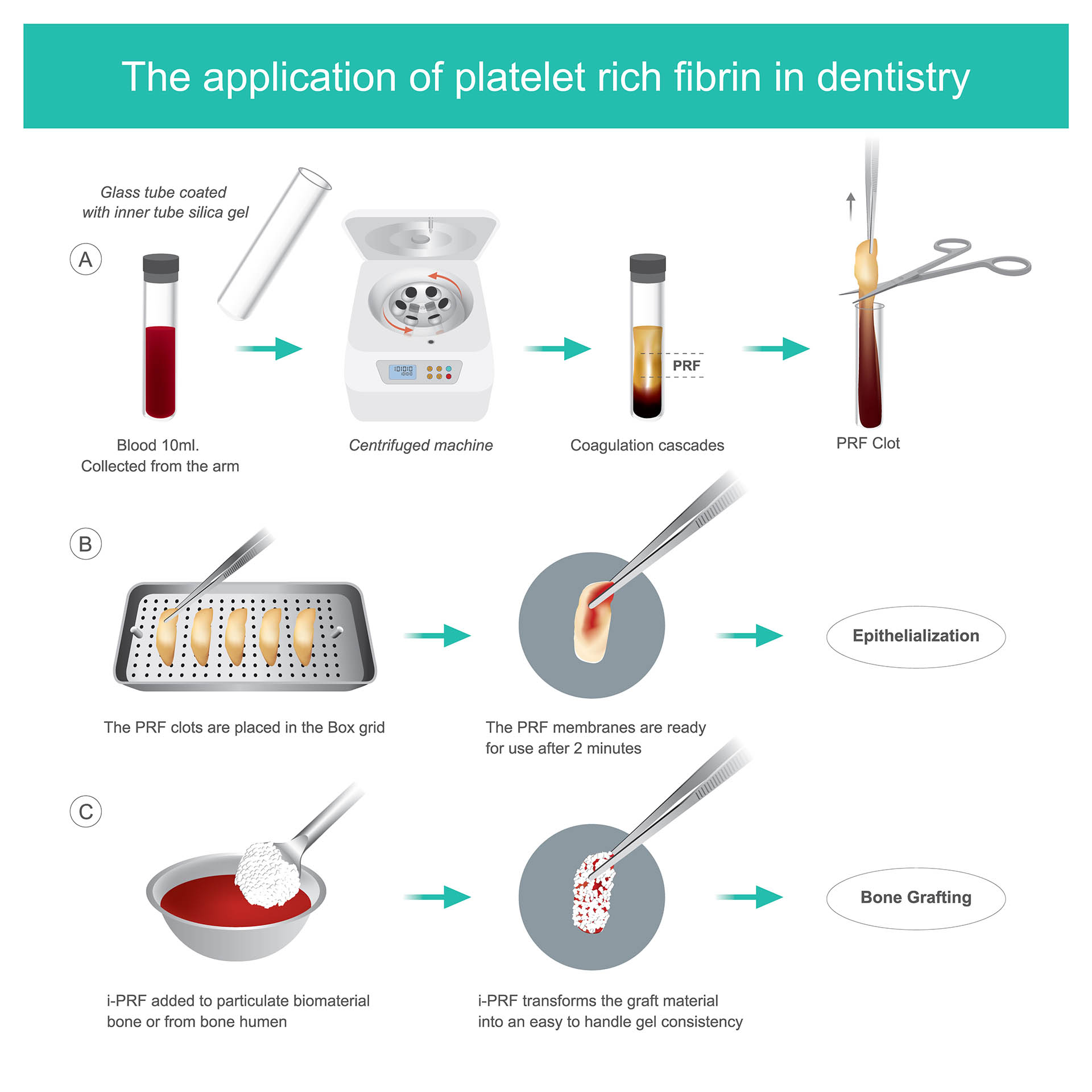
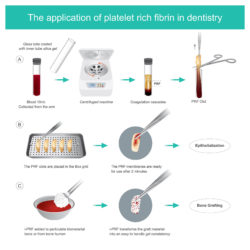
- PRF: Platelet rich fibrin is blood that is drawn from the platelet and prepared to use with bone grafting procedures. PRF is made up of platelets and growth factors that areused in a number of medical and dental procedures to help promote healing and tissue regeneration.
-
- Socket Preservation
-
- Ridge Augmentation
-
- Sinus Lift
-
- Platelet Rich Fibrins